My first attempt at racing a triathlon ended in a “did not finish.” A rear derailleur snapped on my bike mid-race—something no roadside fix could resolve—and I had to bow out before reaching the finish line. It was discouraging, but it also sparked something in me: I wanted to come back stronger and prove to myself that I could finish what I started.
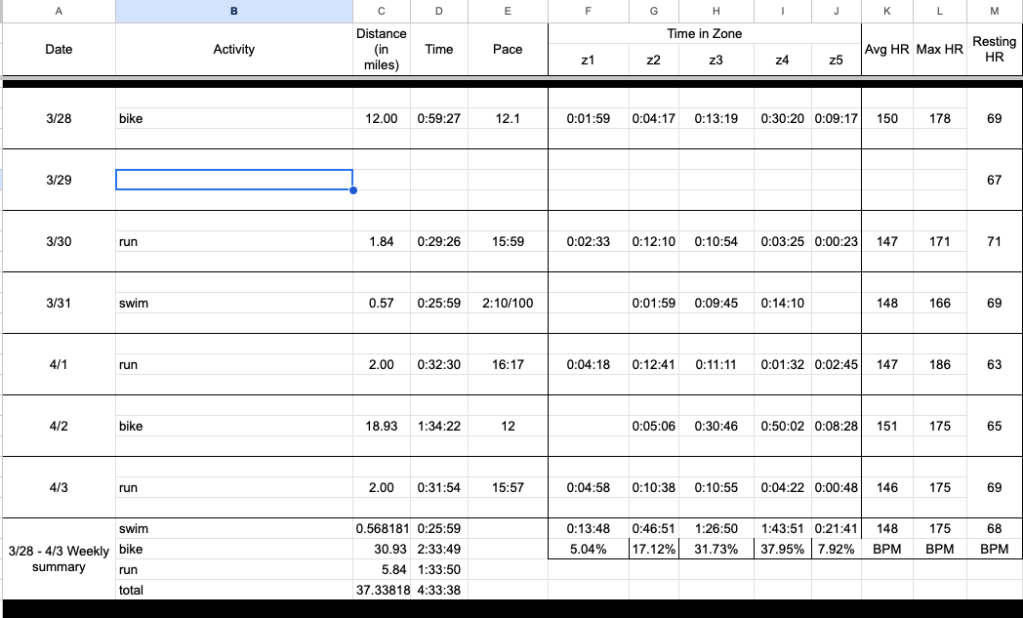
I created a detailed training plan, complete with mileage goals, pace targets, and weekly progress check-ins. I built a tracking sheet to log every workout—swim, bike, run—and used it to find patterns, identify weaknesses, and stay accountable. As I trained, I watched the numbers shift: faster runs, stronger bike times, more confident swim sessions.
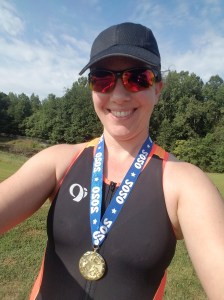
A few months later, I crossed the finish line of my first completed triathlon. Since then, I’ve gone on to race several sprint-distance triathlons and have even placed in my age group in a few events.
Each race became its own “mini-project,” with a timeline, a plan, a strategy, and measurable outcomes. Even though I’m not racing as often now, I still use this same planning tool to structure my workouts—it keeps me motivated and helps me stay consistent.
Plan:

Workout Log:
Finishing Strong:
 Tracey Miller, Project Manager